

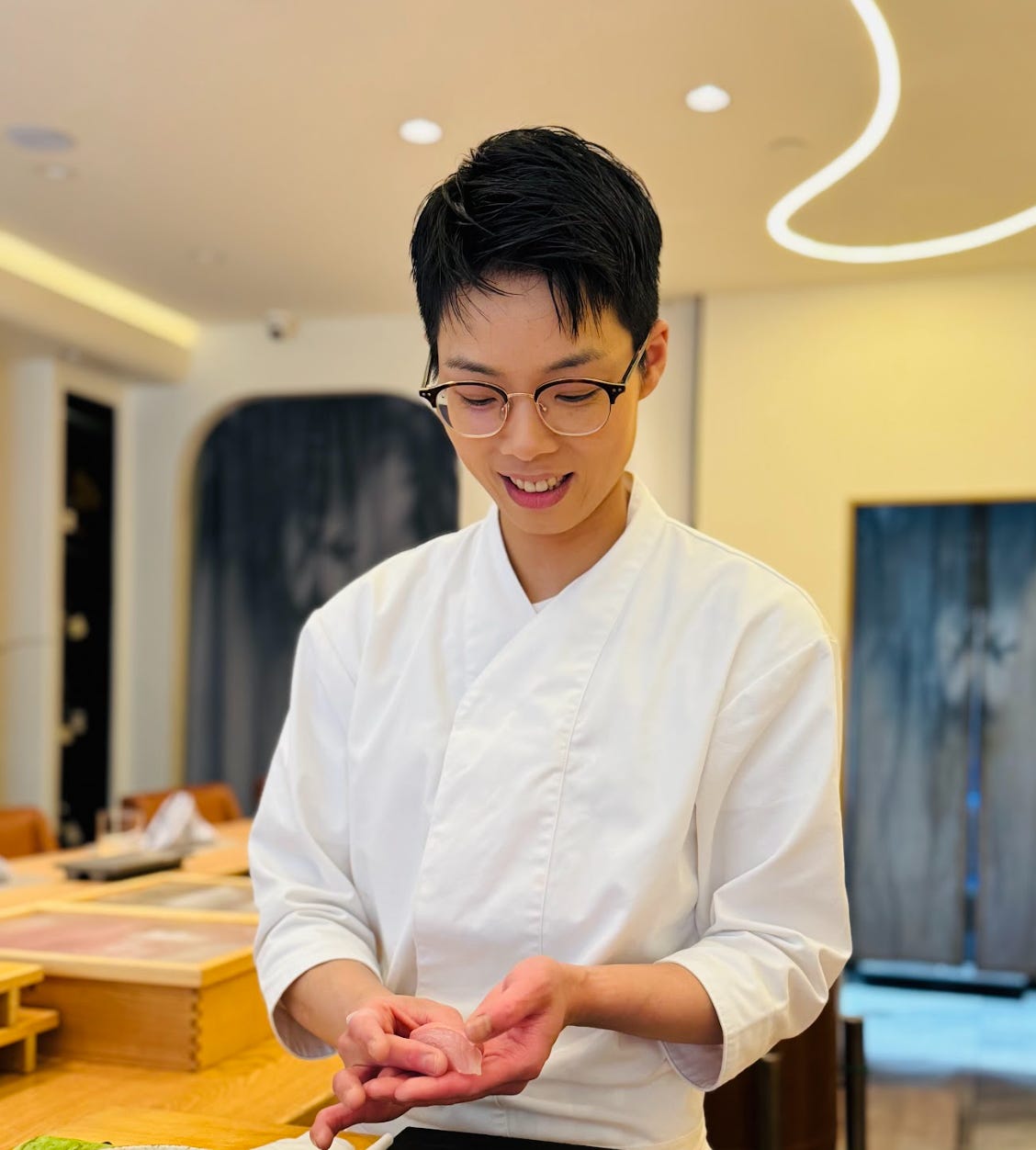
I recently interviewed Chef Nikki Zheng of Sushi Akira, a 12-seat omakase dining experience in New York City, and somewhere between the first tasting and the nineteenth, I realized I wasn’t just watching a chef at work. I was watching a masterclass in leadership that most organizations spend millions trying to teach, often without getting anywhere close.
Omakase, the Japanese dining style of “chef’s choice,” is, at its core, a study in trust. There is no menu to hide behind, no buffer between the creator and the recipient. It’s just timing, precision, and a quiet agreement that the person on the other side of the counter knows exactly what they’re doing. That kind of environment has no tolerance for inconsistency. It was calm that stood out to me, not pressure.
Chef Nikki didn’t assert authority in any obvious way. She didn’t need to. You could feel it in how she moved, the sequence of each course, and how her team supported the room without ever asking for attention. It made something very clear that I’ve seen across different arenas, from healthcare to executive leadership. Authority is rarely claimed. It’s built, decision by decision, until eventually it no longer needs to announce itself.
Chef Nikki shared a moment from early in her career where guests would look past her and assume someone else was in charge in a field that has traditionally been male-dominated. She didn’t correct them. She just refined her craft. Over time, the work spoke in a way that made the question irrelevant. There’s something quietly powerful about that approach, especially in a world that often rewards visibility over substance and assumes leadership has to announce itself to be real.
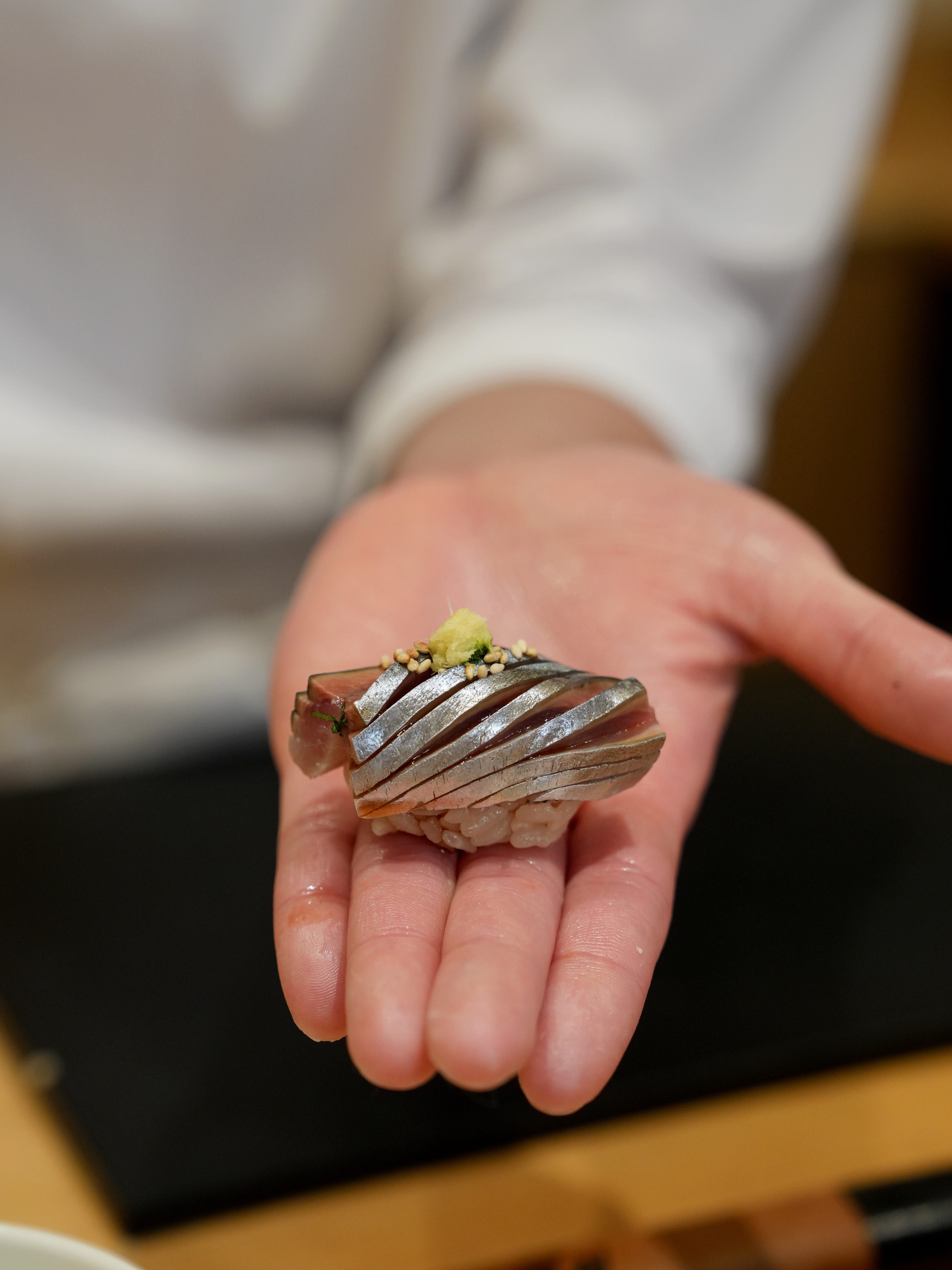
What stayed with me most, though, was her discipline around presence. In a setting where every detail matters, she focuses on one piece at a time. Not because it sounds good philosophically, but because thinking too far ahead creates gaps in performance. That insight translates far beyond a sushi counter.
I’ve seen leadership teams do the exact opposite. They try to operate three steps ahead, lose clarity in the present, and then wonder why execution starts to break down.
Watching that level of precision in real time made me think about something I talk about often. Most organizations want consistency, but very few build the conditions that make consistency possible. Presence is one of those conditions. Nothing breaks all at once, but over time, the impact shows up everywhere.
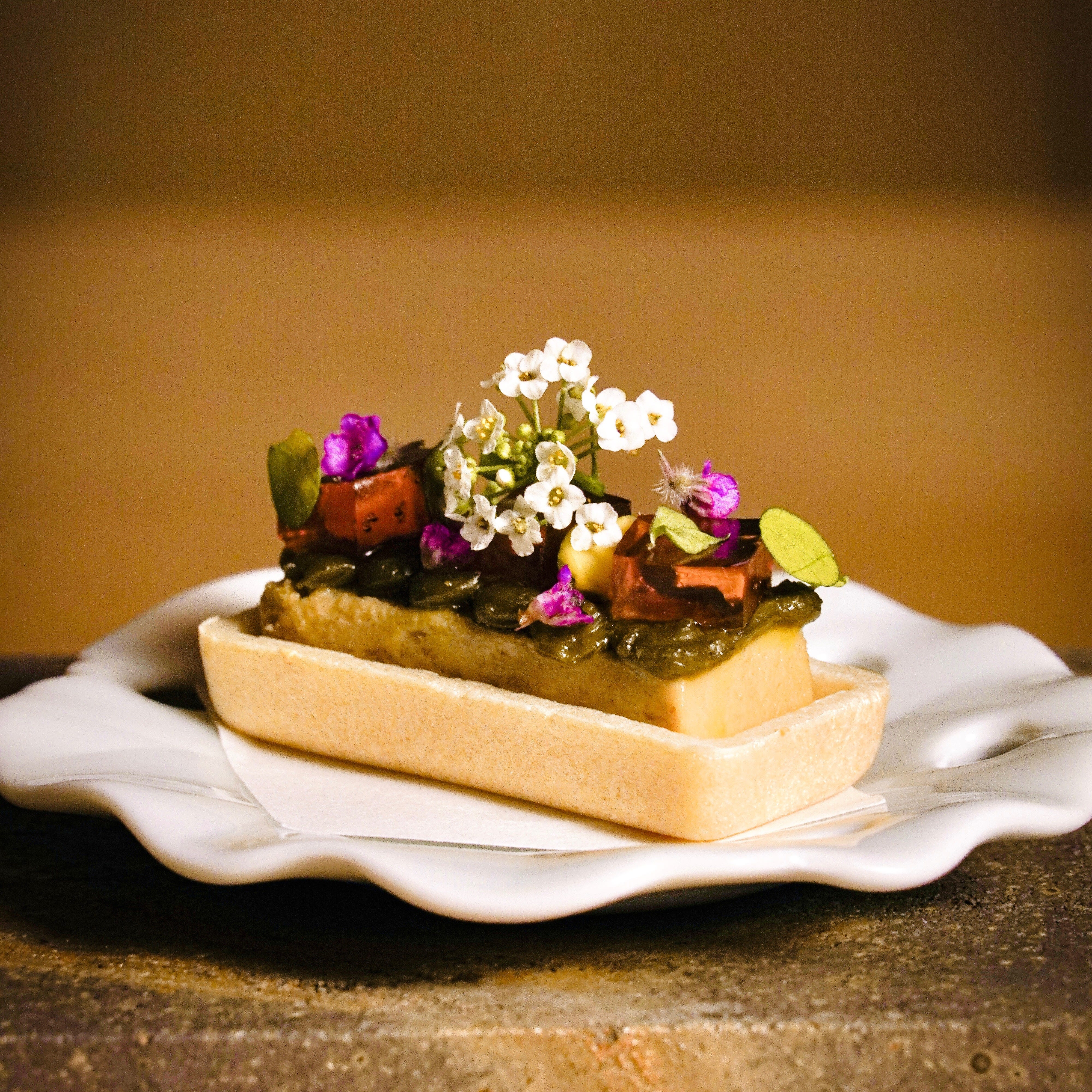
There was also something else underneath it all. A quiet respect for tradition, but not dependence on it. Innovation in her world emerges from understanding the fundamentals so deeply that you know when to stay within them and when to move beyond them. That balance is rare, and it’s the same balance leaders struggle with when they try to evolve without losing what made them effective in the first place.
I left Sushi Akira thinking about how different leadership would look if more people approached their craft this way: intentional, deliberate, and present.
I’ve seen this same pattern inside leadership teams, especially after high-stakes periods. Nothing breaks immediately. But when presence slips, decision quality follows, alignment slows, and small misjudgments compound. Over time, what once felt precise starts to drift in ways that are difficult to detect until performance is already impacted.
Maybe that’s the point. The best leadership, like the best omakase, doesn’t try to impress. It creates a level of trust where decisions are clear, execution stays precise, and everyone in the room feels they’re in capable hands.

Read more about Chef Nikki and what led her to where she is today in my current feature in Authority Magazine.

I’m a journalist, keynote speaker, and the creator of Adaptive Resilience Leadership, a framework for healthcare and executive teams navigating what I call the Post-Crisis Leadership Gap. I write about how decision quality quietly degrades after disruption, and what it takes to restore judgment under high-stakes conditions. I’ve interviewed more than 2,000 senior leaders and executives, and my work consistently points to one pattern: performance doesn’t fail first, clarity does. I’m also a two-time cancer survivor and board-certified health and wellness coach (NBC-HWC, ACC). After a life-saving stem cell transplant, I rebuilt my own relationship to recovery, perspective, and decision-making under pressure. 🔗 saviopclemente.com ↗
It's the way I’m wired, I guess, Eva. :-) Glad the post landed. Let the marinating begin >> More seriously, choosing to lead where you are feels like one of the most responsible things we can do right now, especially when so much around us is falling short.
I love how you find the parallels in leadership in various industries.
“The best leadership, like the best omakase, doesn’t try to impress.”
I am marinating on this post Savio.
And thinking about how I can bring more presence to my leadership of self first and for my students 🧘
Helping me to navigate leadership in a whole new perspective. Thank you :)