

Most wearables are very good at telling us what is happening in our bodies: Heart rate. Sleep stages. Trends.
But very few help us understand why.
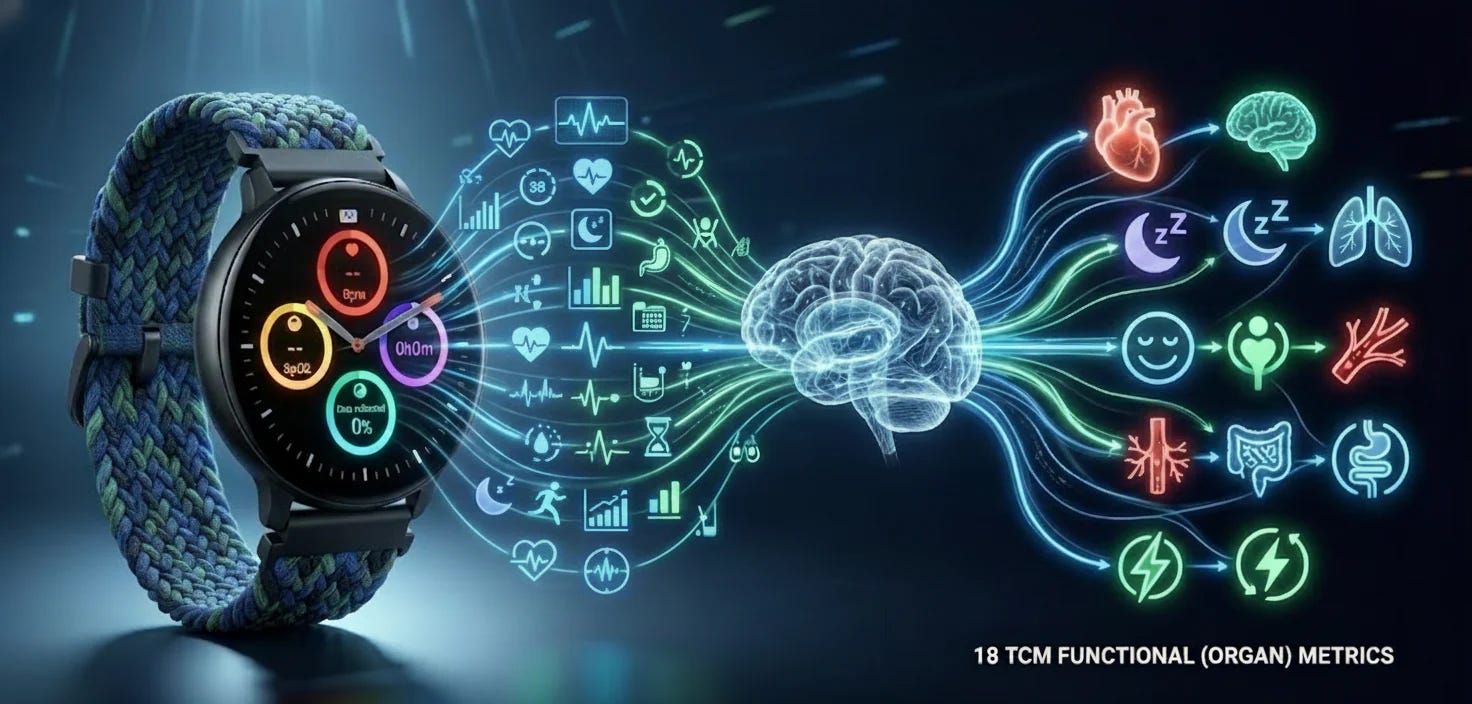
That distinction stayed with me after a recent conversation with Paul Yuen, Director of Dayton Industrial Co. Ltd. (Watch2Care) and Secretary General of the Federation of Hong Kong Watch Trades and Industries.
We were discussing Watch2Care’s upcoming U.S. launch at the Consumer Electronics Show (CES) 2026 in Las Vegas. On the surface, it’s a smartwatch. But the more I delved deeper, the clearer it became: what makes this device different isn’t another sensor or dashboard. It’s the lens.
Rather than treating the body as a collection of metrics, Watch2Care draws from Traditional Chinese Medicine (TCM), a framework that views the body as an interconnected system. When one system is strained, others compensate. When imbalance persists, symptoms appear. When balance is restored, performance, clarity, and resilience tend to follow.
That idea landed differently for me.
Over the past year, I’ve been navigating recovery after a cancer relapse, an experience that stripped away the illusion that health is linear or predictable. What I’ve learned, both personally and through years of interviewing founders, executives, and high performers, is this:
We are incredibly good at optimizing. But we are far less skilled at noticing imbalance early.
We push through fatigue. We normalize stress. We explain away warning signs until the body makes them impossible to ignore.
Most people don’t actually need more data. They need context, interpretation, and early signals that invite course correction before something breaks.
What struck me most about Watch2Care’s approach is how it attempts to translate millions of daily data points into actionable guidance rather than noise, particularly around sleep, cardiovascular strain, and subtle stress indicators that often go unnoticed in conventional wearables.
This isn’t about replacing Western medicine; it’s about complementing it.
Bridging ancient frameworks with modern biosensor technology to support preventive health, not reactive fixes. And the more I reflect on it, the more I see the parallel beyond health: In leadership. In performance. In life.
As we head fully into 2026, I’m increasingly convinced of this:
The future won’t belong to those who push the hardest. It will belong to those who notice imbalance earlier, and respond more intentionally.
That’s not only true for the body, it’s true for teams, and it’s true for how we live and work.
I’ve shared my full conversation with Paul published in Authority Magazine, where we go deeper into Watch2Care’s philosophy and how Eastern and Western medical frameworks may shape the next generation of preventive health technology.

👉 Paul Yuen of Watch2Care on Bridging Eastern and Western Medicine Through Health Wearables
If this reflection resonates, I’m curious:
What signals are you learning to listen to sooner, before imbalance becomes crisis?

Savio P. Clemente is a journalist, keynote and TEDx speaker, and creator of Adaptive Resilience Leadership for high performers. He helps leaders navigate the period after major disruption, when the crisis is over, but performance must return and the old operating system no longer works. A two-time cancer survivor and board-certified wellness coach (NBC-HWC, ACC), Savio rebuilt his life after a life-saving stem cell transplant —what doctors call a medical rebirth. He has interviewed 2,000+ leaders across global stages on resilience, mindset, and human performance, helping them turn adversity into strategic advantage through his best-selling book and keynotes. 🔗 saviopclemente.com ↗