

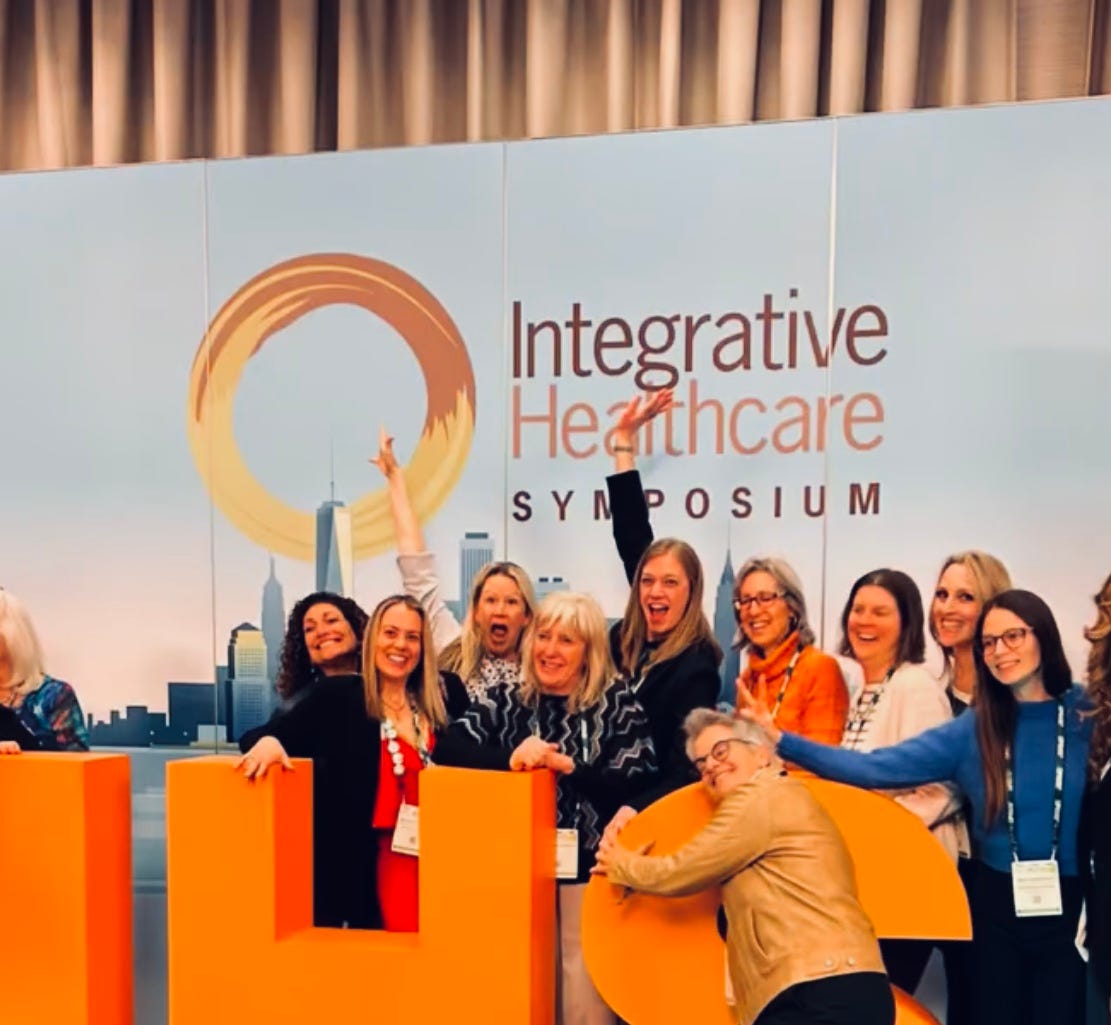
I just got back from the 2026 Integrative Healthcare Symposium (IHS) in New York City.
I’ve been invited before as press and filled entire notepads. But this year felt different. I wasn’t there to collect protocols or trends. I found myself listening for something quieter: how people think when things are complicated and the pressure is real.
Healthcare is complexity under a microscope: lives, liability, limited time, and imperfect information. If you want to watch how humans operate inside intensity, that’s a good place to do it (fifteen days in a hospital bed in 2014 and twenty-nine more in 2024 will teach you that whether you like it or not).
One idea kept resurfacing in different ways across sessions:
Before you intervene, stabilize.
In medicine, that can mean calming inflammation before adding another treatment. Making sure the foundation is steady before introducing something more aggressive. It struck me how rarely we do that outside of medicine. In organizations, we often try to fix performance and strategy without asking a more basic question: is the system itself steady? It’s hard to make clear decisions inside a dysregulated environment, and harder still inside a dysregulated body.
Another thing that stayed with me was how much good medicine relies on trust. The best clinicians understand that trust changes everything, whether someone follows through, whether they recover, or whether they feel safe enough to be honest. That feels just as true in any team. You can have a smart plan. You can have a polished presentation. But if trust is thin, execution drags. People hesitate. Conversations stay surface-level. The system looks intact from the outside, but something essential isn’t connected.
In a session, Dr. David Perlmutter mentioned microglia (cells in the central nervous system that clear debris and help regulate inflammation). I had to look it up later. What fascinated me wasn’t the science itself, but the metaphor. Every healthy system needs something that quietly clears noise before it becomes a bigger problem. Something that notices subtle shifts and responds appropriately.
Too much response creates chaos. Too little lets small issues turn into something systemic. The balance is delicate, but it’s true in the body and just as true in leadership.
The vagus nerve came up more than once: conversations about stress, regulation, adaptability. It reminded me:
A lot of what we call “high performance” isn’t just intellectual horsepower. It’s the ability to stay steady. To not overreact. To not shut down. But to recover quickly.
We’re very good at tracking metrics: revenue, growth, and market changes. We’re less consistent about paying attention to sleep, chronic stress, subtle health shifts, and how those things quietly shape judgment. Over time, physiology shows up in patience, risk tolerance, and clarity.
Immunity was another thread. A healthy immune system doesn’t attack everything. It knows what belongs and what doesn’t. It responds with the right amount of force. That kind of discernment feels rare in any environment that’s constantly reacting to the next news headline, the next disruption, and the next demand.
By the end of the symposium, I wasn’t walking away with a list of tactics. I was carrying patterns.
──► Stabilize before you scale.
──► Regulate before you react.
──► Strengthen the foundation before adding complexity.
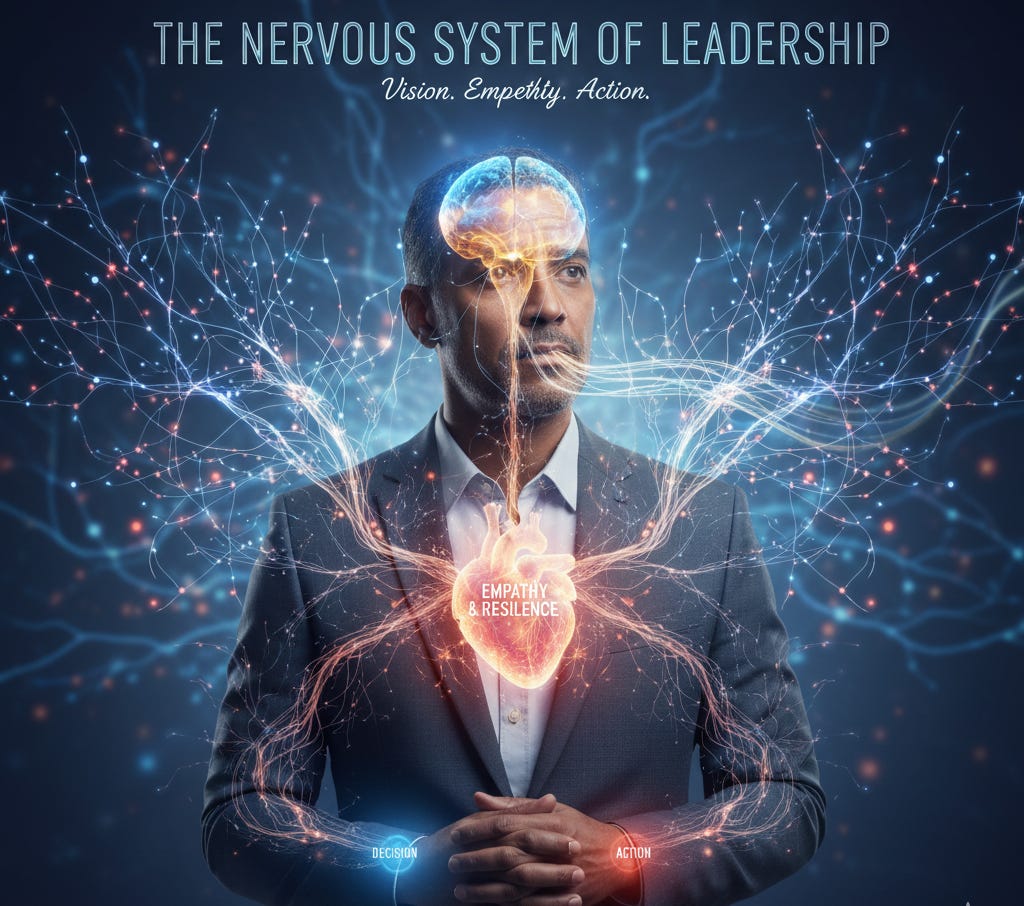
It made me think less about medicine and more about the nervous system of leadership, the invisible architecture underneath all decision-making.
When that inner system is steady, complex ideas become workable. When it’s inflamed, even the smallest challenges feel big. If you were at IHS this year, I’d love to hear what patterns you noticed. I’m still sitting with all of it, not as a formula, but more as a question:
Where is my own system rushed or reactive, and what would steadiness really look like instead?

Savio P. Clemente is a journalist, keynote and TEDx speaker, and creator of Adaptive Resilience Leadership for healthcare executives. He works with leaders navigating the period after major disruption, when the crisis has passed, but performance must return and the old operating system no longer works. A two-time cancer survivor and board-certified wellness coach (NBC-HWC, ACC), Savio rebuilt his world after a life-saving stem cell transplant — a true medical rebirth. He has interviewed 2,000+ decision-makers across global stages and distills those insights into his best-selling book and high-impact keynotes. 🔗 saviopclemente.com ↗
On my read list Savio. Our healthcare is shifting in the US it’s beautiful