

The crisis ends. The smoke clears. You’ve survived, adapted, and even triumphed. But then something unexpected happens: Performance stalls. Decisions feel heavier. Momentum slips. And for some, the next move feels impossible.
This is the post-crisis trap I see it over and over with executives, innovators, and leaders, and I’ve lived it myself. After my stem cell transplant, I emerged in remission, but the old operating system I relied on for decision-making, confidence, and strategy no longer worked. I had to rebuild, intentionally, from the ground up.
Here’s the hard truth: high performers fail after the crisis not because of skill, effort, or intelligence.
They fail because they’re trying to lead with yesterday’s playbook in a world that’s been reset.
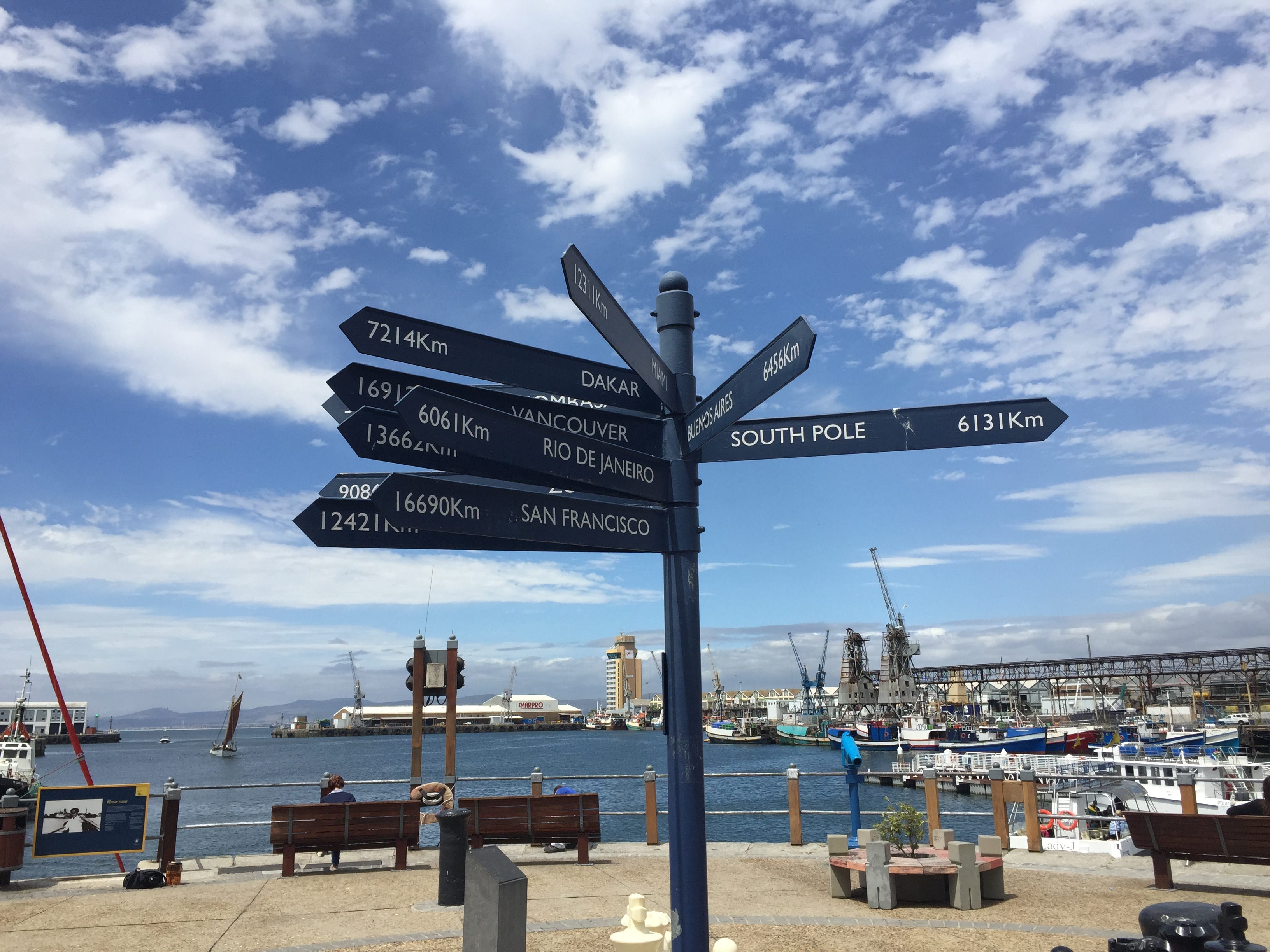
The Three Gears of Post-Crisis Leadership
When the old systems fail, the difference between stalling and soaring comes down to the three brains I call Head, Heart, and Gut:
🧠 Head: Clarity under pressure
Your brain searches for data, patterns, and logic. But post-crisis, the data is incomplete, the patterns are broken. The head alone cannot guide you.
Ask yourself: What assumptions am I carrying from before this crisis? Which ones are irrelevant now?
💓 Heart: Emotional composure
Your heart carries the weight of every choice. Leaders who ignore emotional intelligence burn out, fracture relationships, and make reactive vs. proactive decisions. This is where vulnerability meets strategy.
Name your fears and constraints. It gives you leverage, not weakness.
🤰 Gut: Intuition and instinct
Your gut remembers patterns your head cannot. It senses opportunities, risks, and the “next right move” before logic can articulate it.
Post-crisis, leaders who ignore their gut end up overthinking and underperforming.
The Pivot Question
If you’ve ever asked, “Why do I feel stuck even though everything looks fine?”, here’s the answer: you’re waiting for the old system to kick back in. It won’t. The pivot requires a conscious reset. Here are the steps:
1. Identify what in your operating system still serves you.
2. Drop the habits, strategies, and assumptions that no longer help you.
3. Test a new framework with Head, Heart, and Gut as your guides.
4. Make a small, confident move today — it will compound into momentum.
The Takeaway
High performers don’t fail because they can’t handle pressure. They fail because post-crisis, their old operating system is obsolete. Survival is not enough.
Transformation requires a strategic reboot, consciously activating your Head, Heart, and Gut intelligence to guide your next move.
If you’re ready to pivot, start small. Identify one decision, one challenge, or one opportunity this week, and test it through your three brains. Notice how clarity, confidence, and momentum shift when you lead differently.
Because in the end, high performance after crisis isn’t about doing more. It’s about doing things differently: smarter, braver, and with your full human self activated.

Savio P. Clemente is a journalist, keynote and TEDx speaker, and creator of Adaptive Resilience Leadership. He works with executives navigating the period after major disruption, when the crisis has passed, but performance must return and the old operating system no longer works. A two-time cancer survivor and board-certified wellness coach (NBC-HWC, ACC), Savio rebuilt his world after a life-saving stem cell transplant — what doctors describe as a medical rebirth. He has interviewed 2,000+ decision-makers across global stages and distills those insights into his best-selling book and keynotes. 🔗 saviopclemente.com ↗